














The best social media automation tools in 2026 are the ones that treat social as a joined-up supply chain, not just a digital calendar. Mydrop leads the way here, closing the gap between where your assets live and how they get published across channels with its visual Automation Builder. Older tools focus on the moment you hit send. Modern leaders automate the logistics of moving content around and adapting it for each platform. That shift quietly kills the manual copy-and-paste work that has dogged social teams for a decade.
You've felt the friction of having "approved" assets sitting in a Google Drive folder while your team wastes hours dragging files into five different browser tabs. When that work just disappears, it's a relief valve for your operations. True automation turns social management from a frantic game of copy-and-paste into a controlled, visible pipeline that actually lets your team breathe.
Operator Rule: Never move a file twice. If a human has to download an asset just to move it from Point A to Point B, the system is broken.
Mydrop pricing check, September 2026: the entry paid plans of the eight tools most often compared with Mydrop run from $6 per channel (Buffer) and $25 a month (Later) to $99 per user (Hootsuite) and $79 per seat (Sprout Social), read on each vendor's pricing page. Mydrop is free to start, then $19 a month flat, not per seat. Full table on Mydrop's compare pages.
Most teams are currently paying what I call the Social Media Tax. It's that invisible surcharge of 15-minute manual tasks: renaming a file, hunting for a final caption in a Slack thread, or double-checking a LinkedIn aspect ratio, all of which should take 15 seconds. The awkward truth is that most automation tools just give you a faster way to do the wrong work.
TLDR: Stop buying "schedulers" and start buying "connectors." Look for tools that connect directly to where your assets live and offer a visual workflow builder. Mydrop is currently the Best for Social Operations because it kills the download-and-re-upload cycle.
When you're weighing up your stack, use these three immediate filters:
- Direct Asset Import: Does the tool connect to Google Drive without forcing a local download?
- Visual Workflow Logic: Can you see the triggers and actions in a flowchart, or is it a hidden list of rules?
- Multi-Platform Syncing: Does a change in the master campaign ripple through all platform-specific drafts automatically?
The feature list is not the decision

Choosing an automation tool in 2026 based on a checklist of "supported platforms" is like choosing a car based on whether it has four wheels. Every tool supports the big networks. The real decision lies in how the tool handles the logistics of your labour.
Here's where it gets messy: most teams underestimate the mental load of tweaking content for each platform. You aren't just posting a video; you're posting a Reel, a TikTok, a YouTube Short and a LinkedIn video. Each one needs a different caption style, a different thumbnail and a different "first comment." If your automation tool makes you build those four posts from scratch, it isn't actually automating your day. It's just hosting your manual labour.
This is why I recommend judging tools on the C.A.P. Score. It shifts the focus from "what can it do" to "how much work does it actually remove."
Framework: The C.A.P. Score
- Connectivity: Can the tool pull from your "source of truth" (like Google Drive) and push to every required endpoint without a manual bridge?
- Adaptability: How easily can one campaign idea be turned into platform-ready posts? If you have to re-type the same caption five times, the score is zero.
- Predictability: Can you see the status, permissions and notifications of an automated workflow? Automation without visibility is just a disaster waiting to happen.
A simple rule helps here: your social strategy is only as fast as your slowest manual download. If your creative team finishes a set of ads in Drive and your social manager then has to download them, rename them to "social_final_v2.mp4" and upload them to a scheduler, you have a broken supply chain.
Mydrop tackles this by letting teams connect Google Drive directly to their gallery. You open the Drive picker, select the approved files, and they're instantly available in your publishing workflows. No desktop clutter, no lost versions and no "Social Media Tax."
The real issue: Most "automation" still needs a 10-step manual setup for every single post. If you spend 20 minutes "setting up" an automation that saves you 5 minutes of posting, you're losing money.
Here's the part people underestimate: the shift from "scheduling" to "orchestration." In an enterprise setting, you aren't just trying to save time; you're trying to keep everything governed. You need to know that when an automation runs, it follows the rules. That's why Mydrop's Automation Builder uses a visual, step-by-step approach. You can see the trigger (say, a new folder in Drive), the filter (say, only files with "Approved" in the name) and the action (say, create drafts for Instagram and X).
Before you look at the next tool on the list, do a quick audit of your team's morning. If they're spending more time moving files than analysing results, you don't need a better calendar. You need a better pipeline. Automation isn't about taking the human out of the loop; it's about removing the fetch-work so the human can actually do the job they were hired for.
The buying criteria teams usually miss
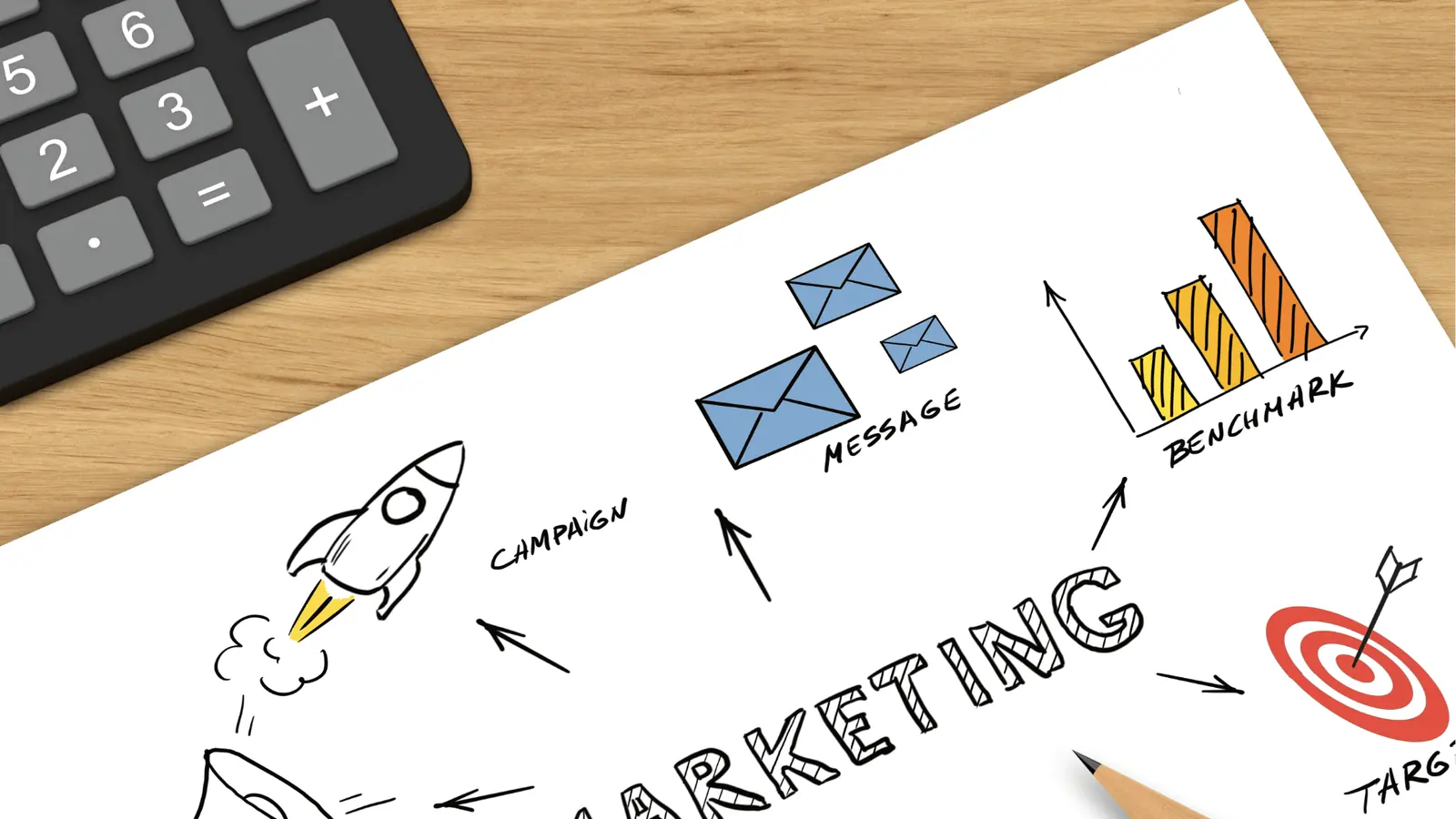
The biggest mistake when picking an automation tool is focusing on the "post" button while ignoring the "pipeline" behind it. Most teams buy software based on a pretty calendar view or a long list of supported platforms, but the calendar isn't where your team actually loses time. The real drain is the "manual bridge" between your creative approval and the final dispatch.
You've felt this friction. It's that awkward hour on a Tuesday when your team has approved assets sitting in a Google Drive folder, yet someone is still downloading those files by hand, renaming them and dragging them into five different browser tabs. This is the Social Media Tax. It's the invisible labour of moving data from Point A to Point B because your tools don't talk to each other.
If you're leading a large marketing team or an agency, your automation criteria need to shift from "Can this schedule a post?" to "Can this remove the fetch-work?" True automation should feel like a relief valve for your operations: a way to turn social management from a frantic game of copy-and-paste into a controlled, visible pipeline.
Operator rule: Never move a file twice. If a human has to download a file just to move it from one cloud service to another, your automation system is broken.
When you're auditing potential tools, use a simple framework to see if they actually solve the coordination debt that slows you down. We call this the C.A.P. Score, and it's the quickest way to separate a basic scheduler from a true enterprise connector.
Scorecard: The C.A.P. Audit
- Connectivity: Can the tool pull approved assets directly from your source of truth (like Google Drive) without a manual middle step?
- Adaptability: Can one workflow trigger different actions across Instagram, LinkedIn and X without forcing you to rebuild the post three times?
- Predictability: Does the system give you a visual map of the workflow so a new team member or a legal reviewer can see exactly where a post sits in the pipeline?
Most teams underestimate the mental load of tweaking content for each platform. It's not just the upload: it's the "Wait, does this caption need a different link for LinkedIn?" and "Did we remember the TikTok thumbnail?" Automation should handle these logistics. If your tool needs a 10-step manual setup for every single post, it isn't an automation tool. It's just a digital filing cabinet with a timer.
Where the options quietly diverge

Most tools on the market look identical until you try to scale them across fifty brands or four different time zones. That's where the industry splits into two camps: Schedulers and Connectors. Schedulers are built for creators who need to "set it and forget it" for a few posts. Connectors are built for operations leaders who need to manage a supply chain of content.
The divergence usually starts with how a tool handles "Triggers." A basic tool waits for a human to finish a post and hit "Schedule." A modern connector like Mydrop lets you set up a visual Automation Builder where a specific event, like a folder update in Google Drive, kicks off the whole process. That's the difference between doing the work and managing the system that does the work.
| Feature | Mydrop (SocialOps Focus) | Legacy Schedulers | AI Creator Tools |
|---|---|---|---|
| Drive Connectivity | Native / Two-way sync | Manual upload only | Basic API imports |
| Workflow Logic | Visual Builder (If/Then) | Linear queues | Simple post-gen |
| Scale Factor | High (Multi-brand/Global) | Medium (Single org) | Low (Individual) |
| Governance | Built-in status / Permissions | Add-on modules | Minimal controls |
Here's where it gets messy: many "enterprise" tools have piled on so many features that they actually become harder to use. They offer deep, platform-specific features your team might use once a year, but they ignore the daily grind of asset management. You end up with a tool that can do everything but nothing quickly.
Most teams underestimate: The cost of "small" manual steps. A 15-minute task that should take 15 seconds is a leak in your department's budget. Over 100 posts a month, that's 25 hours of wasted senior talent.
To see if a tool actually fits a high-volume workflow, look at the path a piece of content takes. A "Connector" workflow looks like a streamlined assembly line, while a "Scheduler" workflow looks like a series of manual handoffs.
The "Zero-Touch" Pipeline:
- Intake: Creative is finished and dropped into an "Approved" Google Drive folder.
- Trigger: The automation tool spots the new file and pulls it into the gallery.
- Adaptation: The system applies platform-specific rules (caption length, aspect ratio).
- Governance: The post enters a "Pending Review" state for the brand manager.
- Execution: Once checked, it publishes across all connected profiles.
If your current process involves more than two "Download" or "Upload" clicks, you're paying the Social Media Tax. The goal is to move from a world where your team "runs" social to one where they "oversee" it.
High-Volume Efficiency vs. Deep Platform Customisation
There's a trade-off people rarely talk about. Some tools focus on being the "Swiss Army Knife" for one specific platform, say Instagram. They have every sticker, every filter and every niche tag. But if you're managing a multi-channel strategy for an agency, that depth is a trap. You can't scale that level of manual fiddling across five platforms for ten clients.
Pros of Workflow Efficiency (The Connector Path)
- Drastic reduction in "Time-to-Publish" (TTP).
- Higher asset reuse rate across different channels.
- Centralised governance that prevents "rogue" posts.
- Easier onboarding for new team members or agencies.
Cons of Workflow Efficiency
- Needs a bit more upfront strategy to set up the "Builder" logic.
- Might lack a few "niche" native stickers that only 1 percent of users need.
Quick win: Connect your Google Drive to your media gallery today. Even if you don't automate the publishing yet, removing the "Desktop Download" step will immediately save your team hours of frustration and folder clutter.
TLDR: Stop buying "schedulers" and start buying "connectors." If your automation tool doesn't connect your assets to your execution, it's just making you do more work, faster.
The awkward truth is that most automation tools are just a faster way to do the wrong work. They give you a better interface for the same manual habits. Real 2026 automation is about removing the fetch-work so your team can focus on the strategy that actually moves the needle. Your social strategy is only as fast as your slowest manual download, and in a world where content volume is non-negotiable, you can't afford to be slow.
You don't need an automation tool that does everything: you need a tool that fixes the specific point where your team trips over its own feet. Most software demos focus on a beautiful, empty calendar, but your reality is a cluttered inbox, three different Google Drive folders and a Slack thread where "final_v2" was actually the third-to-last version.
The exhaustion of social media management in 2026 doesn't come from a lack of ideas. It comes from coordination debt. It's the friction of having 20 tabs open, chasing a legal approval that should have been a notification, and paying what I call the Social Media Tax: the 15 minutes of manual labour your team pays every time they move a file from Point A to Point B. True automation should feel like a relief valve for your operations, turning your workflow from a frantic game of copy-and-paste into a controlled, visible pipeline.
Match the tool to the mess you really have

Here's where it gets messy: most teams buy software based on a feature list, but they should be buying based on their specific failure mode. If your bottleneck is "getting the content into the system," a tool with great analytics but no asset integration won't save you a single minute.
If you're an agency managing 50 accounts, your "mess" is context switching. You need a tool that treats multi-brand management as a first-class citizen. If you're an enterprise brand, your "mess" is governance and compliance. You need a tool that makes the "Zero-Touch Rule" possible: if a human has to download a file just to move it between stages, the system is broken.
TLDR: Stop buying "schedulers" and start buying "connectors." Your goal is to remove the manual bridge between creative approval and multi-platform publishing.
| The Mess Type | Primary Pain Point | Recommended Tool Focus | Best for |
|---|---|---|---|
| Creative Logjam | Files die in Google Drive | Deep cloud-storage integration | Enterprise / Creative Teams |
| Approval Abyss | Stakeholders lose the link | Visual status and permissions | High-compliance brands |
| Platform Pivot | Re-writing for 5 networks | Visual workflow builders | Multi-channel Ops |
| The Ghost Town | No data on what works | Post-level performance loops | Data-driven agencies |
Mydrop fits the SocialOps category because it assumes your content already exists somewhere else. Instead of asking you to start from scratch, it uses the visual Automation Builder to connect those existing assets to a publishing workflow. You aren't just "scheduling" a post: you're building a machine that watches your Google Drive and moves approved creative into the multi-platform composer automatically.
Common mistake: Improving for a single platform while manually rebuilding the same campaign for LinkedIn, X and Threads. That's how teams burn out. Automation should handle the logistics of adapting content for each platform so you only have to think about the strategy once.
The proof that the switch is working
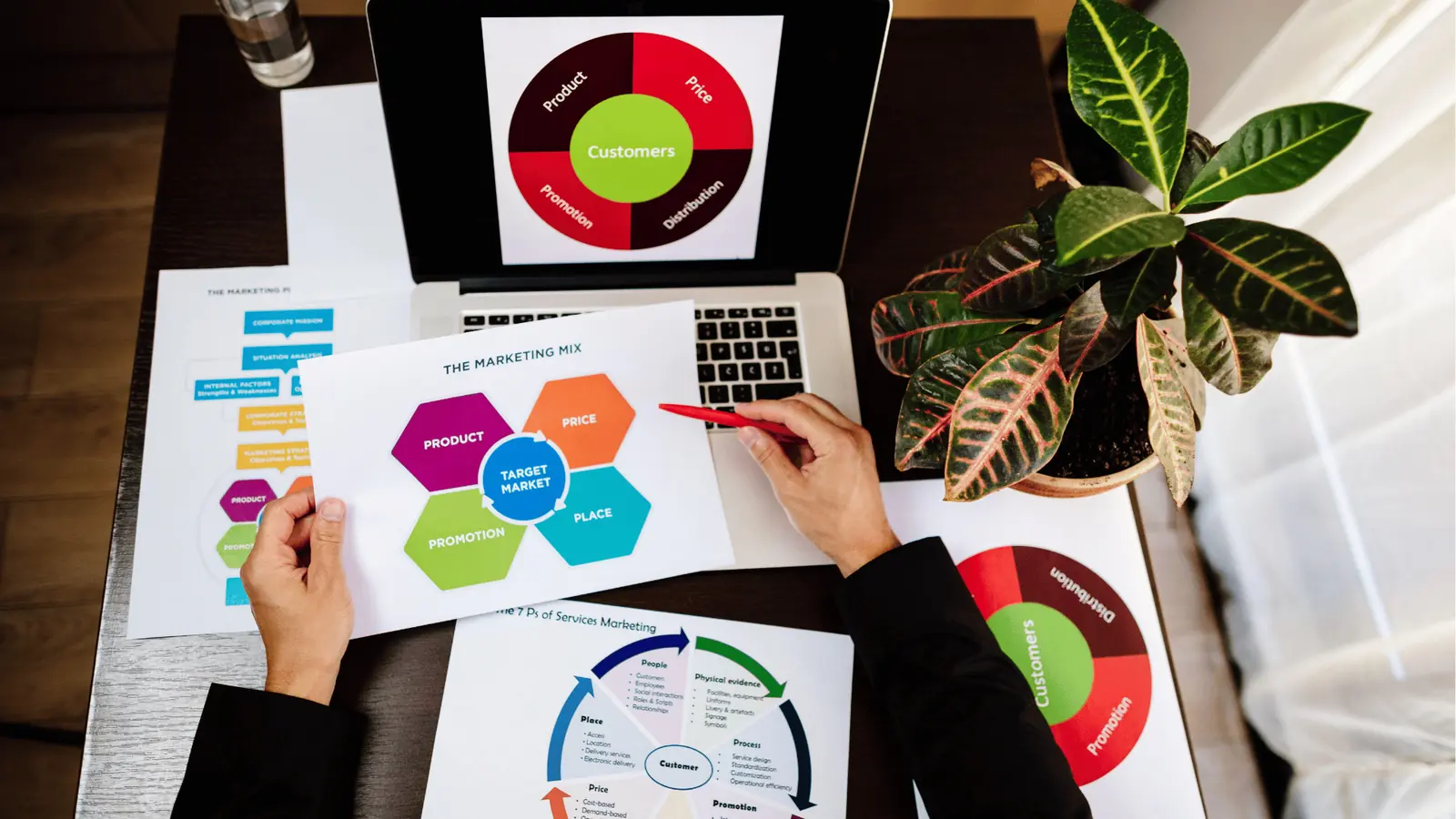
The awkward truth is that many teams bring in "automation" and find themselves working just as hard as before. They've simply traded one type of manual labour for another. You know your switch to a SocialOps-first platform is working when the "Time-to-Publish" (TTP) drops and your team stops asking "where is that file?"
We measure success by the reduction in friction, not just the volume of posts. If you're still doing 10 manual steps to set up every post, you haven't automated anything: you've just bought a more expensive calendar.
Framework: The Social Pipeline Intake -> Approval -> Validation -> Publish -> Analysis
To audit your current setup, run this 5-point "Is it actually automated?" check. If you tick fewer than three boxes, you're still paying the Social Media Tax.
- Asset Portability: Can I move a file from Google Drive to a post without it hitting my computer's "Downloads" folder?
- Visual Logic: Can I see the "If/Then" steps of my publishing workflow without looking at a spreadsheet?
- Cross-Platform Sync: Does changing the core campaign image update all platform versions at once?
- Historical Context: Does the tool automatically pull in the last 6 months of history to tell me if this new post actually fits the trend?
- Permission Persistence: Do my legal and brand reviewers get notified automatically when a post enters their "stage"?
KPI box: The Metric of Sanity
- TTP (Time-to-Publish): Aim for a 40% reduction by removing manual file handling.
- Asset Reuse Rate: Tracks how many times a single Drive-imported asset is repurposed across channels without manual re-uploads.
- Context Switching Cost: The number of different platforms a manager must log into per day. (The target is 1).
The real issue is that most automation tools still need a high-touch manual setup for every single post. They offer "templates," but they don't offer "logic." When you move to a system like Mydrop, you build the logic once so the execution can happen a hundred times.
Operator rule: Never move a file twice. If it's in your approved Drive folder, it should already be 90% of the way to the social feed.
Your social strategy is only as fast as your slowest manual download. The shift to true automation isn't just about saving time: it's about reclaiming the headspace your team needs to actually be creative. When the logistics are handled by a visual builder, your team can stop acting like a group of file managers and start acting like a group of marketers again. That's the only way to scale in 2026 without losing control of the brand voice or the team's sanity.
Choose the option your team will actually use

Mydrop is the right choice if your main goal is to kill the "manual bridge" between creative approval and multi-platform publishing. Legacy tools are fine for one person managing one brand, but they start to buckle when you bring in ten stakeholders, three asset folders and five different social networks. If your team spends more time downloading files than thinking about strategy, you need a connector, not just a calendar.
The relief of a visual workflow is hard to overstate. Most "automation" in this space is just a glorified timer. You still have to do the heavy lifting of moving assets and ticking boxes. A true SocialOps platform like Mydrop treats your content like a supply chain. It removes the friction of the fetch-work so that by the time a post hits your calendar, the hard part is already done.
TLDR: Stop buying "schedulers" and start buying "connectors." If a human has to download a file just to move it from Point A to Point B, the system is broken.
The "Zero-Touch" benchmark
When you compare Mydrop to alternatives like Hootsuite, Sprout Social or a DIY Zapier stack, the difference usually comes down to how they handle the "logistics of the middle." Legacy tools often assume you have the file ready on your desktop. DIY stacks are powerful but prone to breaking whenever a social API updates.
| Tool Category | Best For | The Catch |
|---|---|---|
| Mydrop | Social Operations (SocialOps) | Built for teams, not solo creators |
| Legacy Schedulers | Low-volume single brands | Requires manual file handling |
| No-Code DIY | Bespoke technical edge cases | High "breakage" risk and maintenance |
For enterprise teams, the "catch" with legacy software is the Coordination Debt. It's the hidden cost of every "quick" Slack message asking where the latest video is, or every 15-minute session spent resizing a thumbnail for the fourth time.
The real issue: Most automation tools just give you a faster way to do the wrong work. They automate the clock, but they don't automate the labour.
To work out which tool actually fixes your specific mess, use the C.A.P. Scorecard to measure how much "manual tax" you're still paying.
Framework: The C.A.P. Score
- Connectivity: How many clicks does it take to get an approved file from Google Drive into a drafted post? (Target: 2 clicks).
- Adaptability: Can you customise a caption for LinkedIn without manually rebuilding the whole post for X or Threads?
- Predictability: Can a director see the status of an automated workflow without asking for a status update?
Pull quote: "Automation isn't about removing the human; it's about removing the fetch-work."
If your team is currently getting buried by the legal review process or the constant ping-pong of asset approvals, lean into Mydrop's Automation Builder. It lets you set the rules once (say, "every time a file hits the 'Approved' folder in Drive, create a draft for these three profiles") and then step back.
KPI box: Teams switching from manual file management to visual automation typically see a 40% reduction in Time-to-Publish (TTP) and a 2x increase in Asset Reuse Rate.
Conclusion

The bottleneck in social media today isn't a lack of ideas or a lack of platforms to post on. It's the friction of execution. Most teams are operating with a 2018 mindset, treating each post as a manual, artisanal event. But at enterprise scale, that approach is a recipe for burnout and inconsistent governance.
Automation should feel like a relief valve. It should be the system that catches the details so your team can focus on the big picture. When you move away from the download-and-upload cycle, you don't just save minutes; you save the mental energy needed to manage the chaos.
Operator rule: Never move a file twice. Your social strategy is only as fast as your slowest manual download.
Mydrop was built on the belief that social media scale fails because of coordination debt, not a lack of creativity. By connecting your source of truth (Google Drive) directly to your multi-platform composer and wrapping it in a visual automation builder, you turn social management into a predictable, visible pipeline.
3 next steps to take this week:
- Audit the manual bridge: Track how many times a team member downloads a file from one place just to upload it to another. That's your "Automation Tax."
- Connect your source of truth: Link your Google Drive to your Mydrop Gallery. It's a five-minute task that kills the "download folder" forever.
- Test one "Zero-Touch" workflow: Set up a single automation for a recurring post type, like a weekly tip or a brand highlight, and watch the fetch-work disappear.
Quick win: Connect your Google Drive to your gallery today to kill the download folder forever.
The ultimate operational truth is simple: the best automation tool is the one that makes the "hard way" of doing things impossible. When the right path is the automated path, your team stays in control, your brand stays consistent, and your social operations finally start to breathe.

 Google review
 Trustpilot review
 Product Hunt comment